
How Much Does a Wedding Journalist Cost?

You've probably never seen "wedding journalist" on a vendor checklist. It's not in the wedding planning apps, and your married friends likely haven't mentioned it. So once you stumble across this whole concept and think “yes, I need this,” the obvious question follows: what's the damage?
Short answer: Most wedding journalism packages land somewhere between $1,000 and $5,000. Where you fall in that range depends on how much coverage you want, how many people get interviewed, and what kind of final product you're after.
But those numbers don't mean much without context. Let me walk you through what actually goes into the work.
Key Takeaways
Wedding journalism packages typically run $1,000 to $5,000+, with pricing based on how many people get interviewed, how many hours of wedding day coverage you need, and what format you want the final publication in.
Current prices won't last. Wedding journalists are undercharging while they build portfolios and establish the field. Hannah Strader of Preserved in Print calculated she was making about $12/hour at her current rates before announcing her January 2026 price increase.
You're paying for 60-100+ hours of skilled work, including pre-wedding interviews, on-site coverage, transcription, writing, design, printing, and delivery. The cost is comparable to wedding photography and videography, but you get something neither can offer: the actual words and stories your loved ones shared about you.
What You're Paying For
People tend to underestimate how much labor hides behind a finished magazine. Here's what wedding journalists actually do to earn their fees:
Pre-wedding interviews. I spend 60 to 90 minutes talking with couples about their relationship, including how they met, the proposal, the ups and downs, and everything in between. For my Full Scoop package, I also include pre-wedding interviews with your loved ones, the people whose voices have to make it into the final issue. These conversations provide me with the raw material I need to tell your story with depth.
Wedding day coverage. Depending on what you've booked, I might be there for four hours or ten. I'm watching, scribbling notes, pulling aside your college roommate for a quick chat, catching the moment your dad tears up during the toasts. It's active, focused reporting work for the entire time I'm on-site.
Post-wedding interviews. In the weeks after a wedding, people have had time to process. The adrenaline has worn off. They can articulate what the day meant to them in ways they couldn't in the moment. I follow up with the couple, and if desired, some of their loved ones as well.
Transcription. A 90-minute interview turns into roughly 10,000 words of raw transcript. Every conversation has to be converted from audio to text before I can do anything with it. I also turn all my chicken scrawl notes into clean Google docs.
Actually writing. This is the part that takes the longest. I'm not copying and pasting quotes into a template. I'm crafting narratives, finding the throughlines, figuring out how to structure 30 pages of content so it reads like a magazine you'd actually want to pick up. Depending on the project, I might spend 25 or 40 hours just on writing and revisions.
Designing the layout. Words on a page aren't a magazine. Someone has to handle typography, photo placement, visual hierarchy, all the design decisions that make the final product feel polished rather than slapped together.
Getting it printed. Professional printing with perfect binding isn't cheap, and costs fluctuate based on page count, paper stock, and how many copies you need.
Putting it in your hands. I hand-deliver whenever possible; it feels wrong to just drop something this personal in the mail. But when impractical or desired otherwise, I make a trip to the post office to ship your magazines to your doorstep.
We’re also paying for software and apps like Canva or InDesign to create your magazine spreads, equipment (i.e. voice recorders, microphones, notebooks and pens), and travel to get to and from your wedding.
Add all that up and you're looking at 60 to 100+ hours of skilled work for a single wedding. That's why this isn't a $200 service.
Current Market Pricing
Since wedding journalism barely exists as a category yet, there's no industry standard. But I can tell you what two of us charge so you have real numbers to work with.
Preserved in Print (Kansas City, MO)
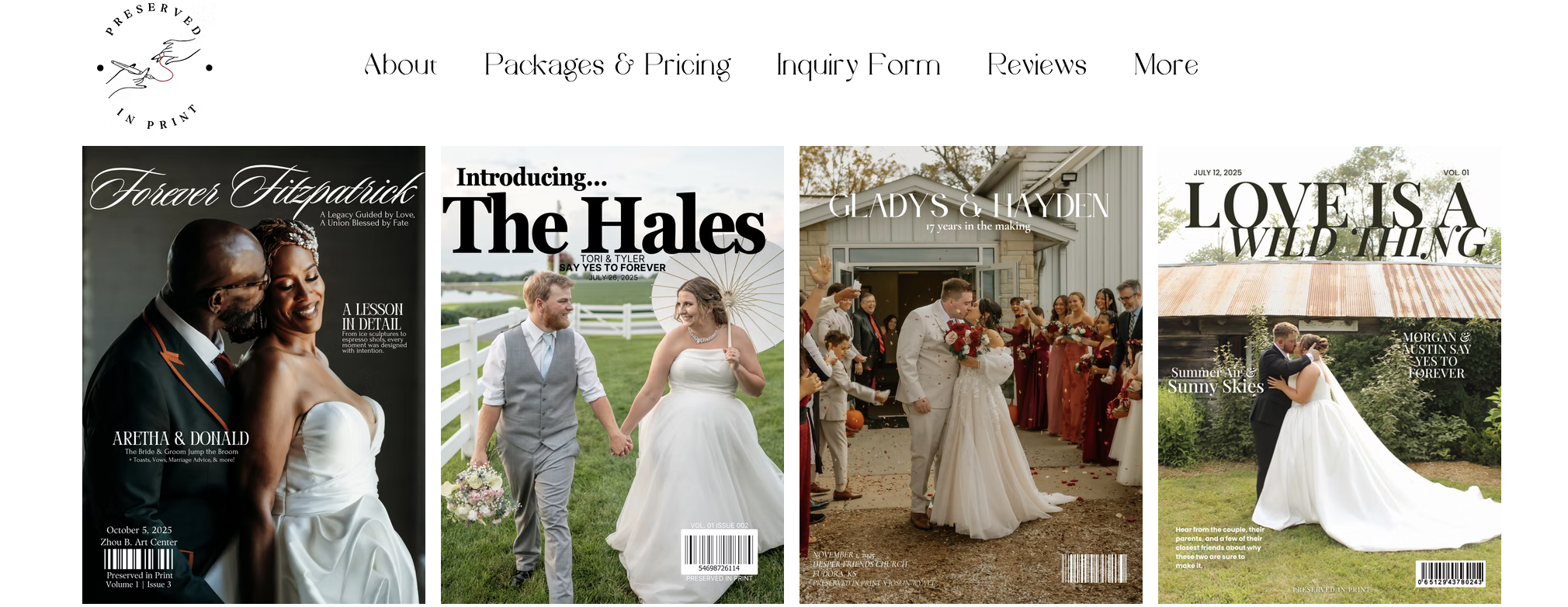
Hannah Strader of Preserved in Print offers five package tiers based on interview scope. Her packages tier up based on how many people she interviews and whether she's there on the wedding day, and for how long:
The Lover's Issue ($1,000): She interviews you, your partner, and your immediate families. The magazine covers your love story, the proposal, vows in hindsight, ceremony and reception recaps, plus photo galleries throughout.
The Party Issue ($1,300): Same as above, but she also interviews either your wedding party or your extended family. You get additional sections on the toasts and day-of emotions.
The Extended Issue ($1,500): Now she's talking to both your wedding party and extended family.
The Day-Of Issue ($2,000): Everything above, plus she's physically present for the entire wedding day. The magazine gets moment highlights and event features.
The Weekender Issue ($3,000): For couples throwing multi-day wedding weekends. She's there for all of it.
One thing to note: Hannah is raising her prices on January 16, 2026, so these numbers won't last.
The Love Dispatch (Denver, CO)
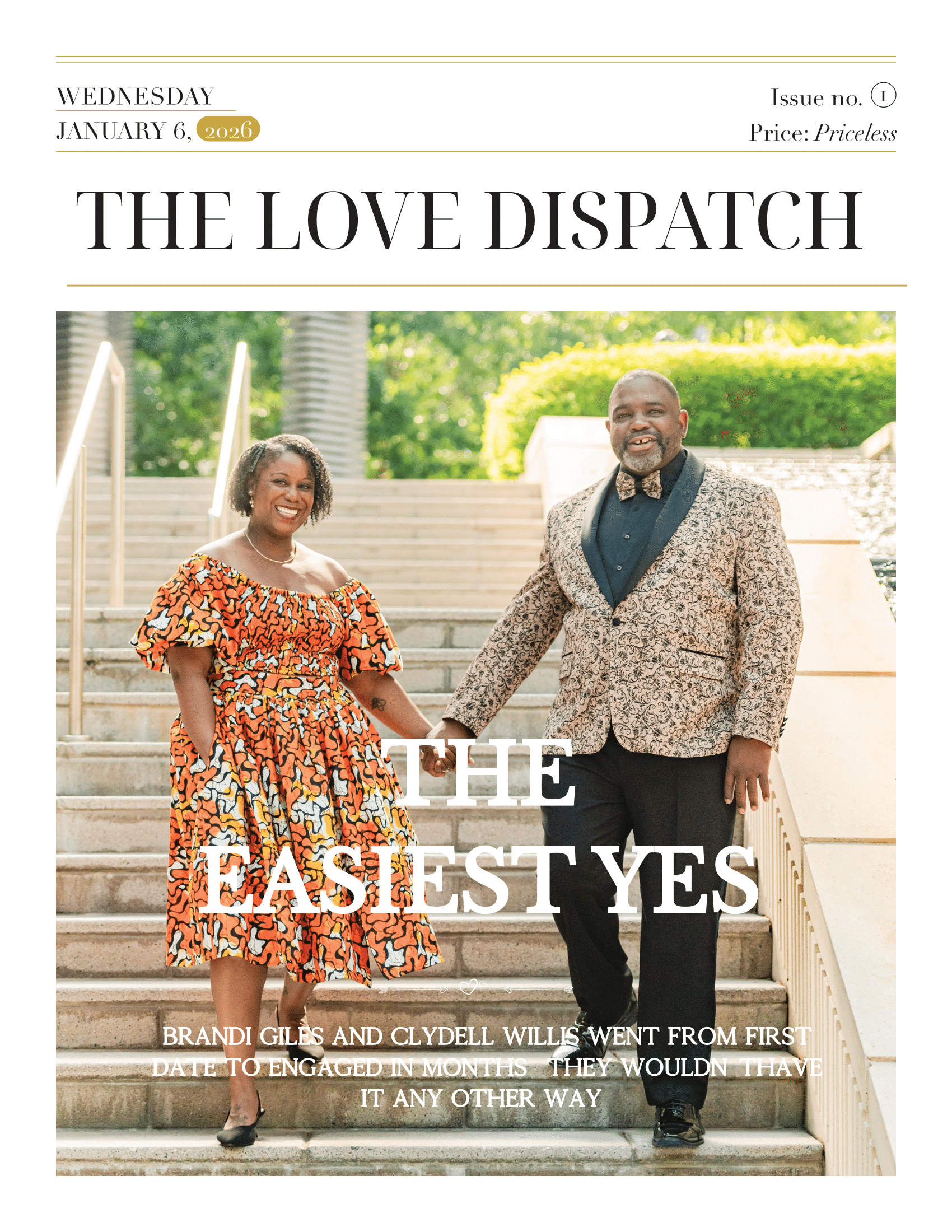
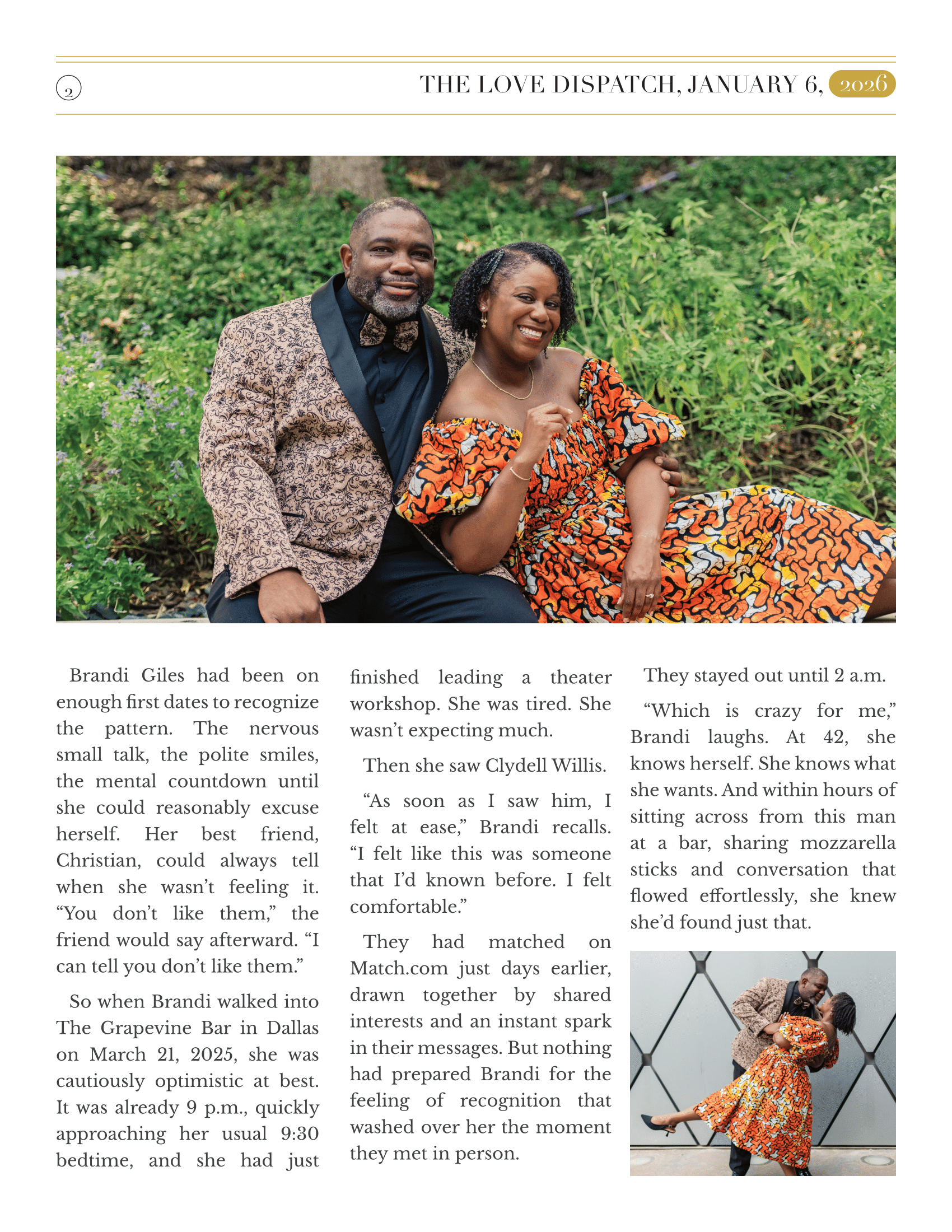
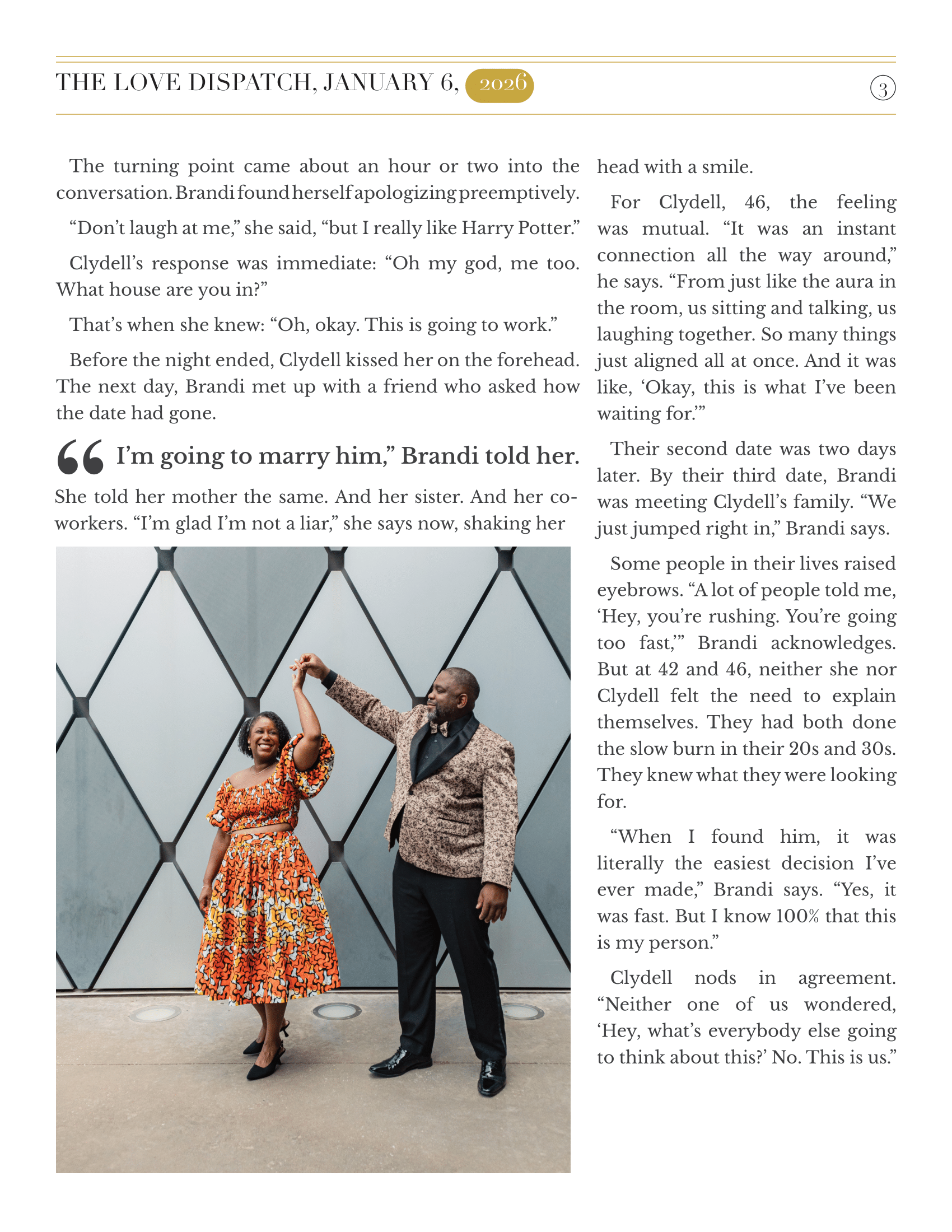
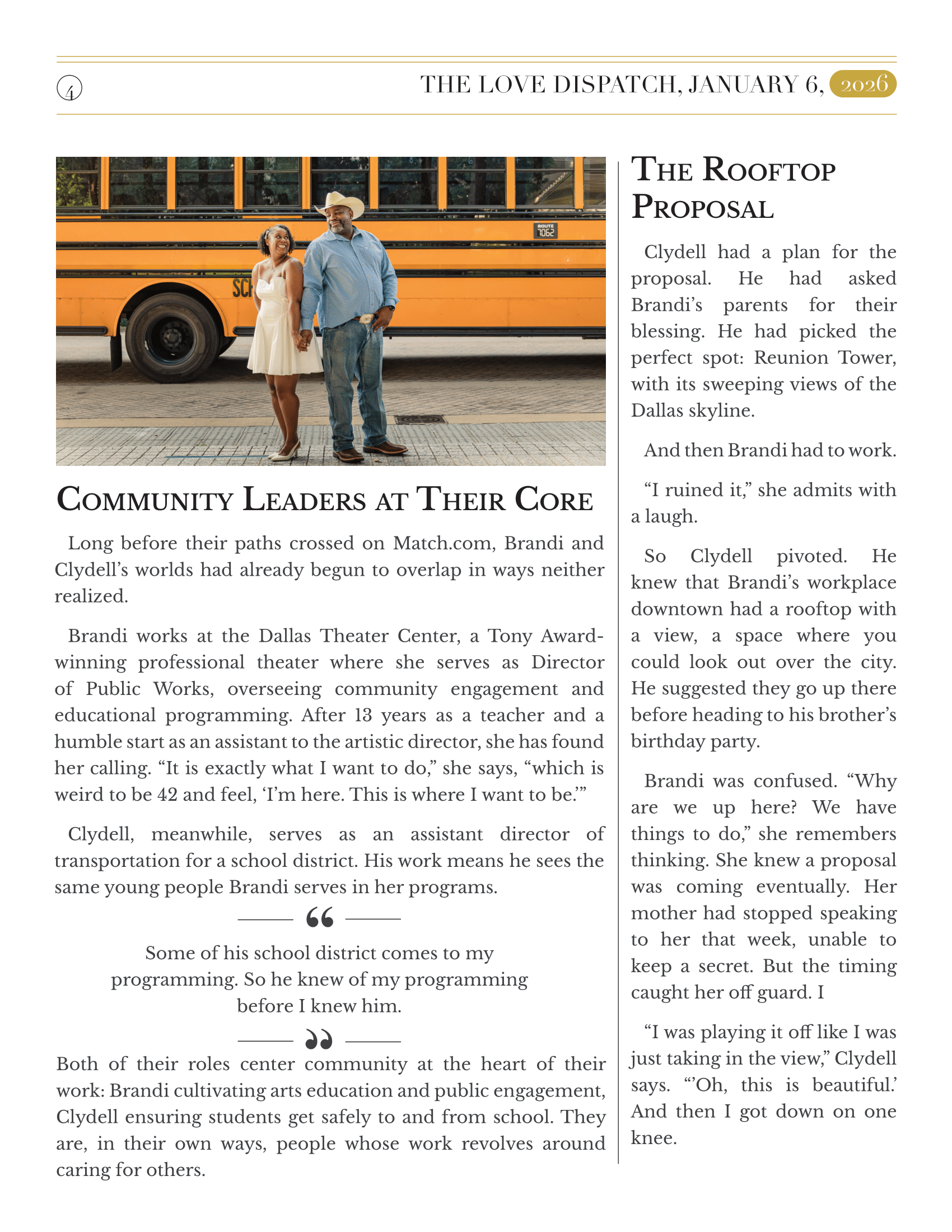
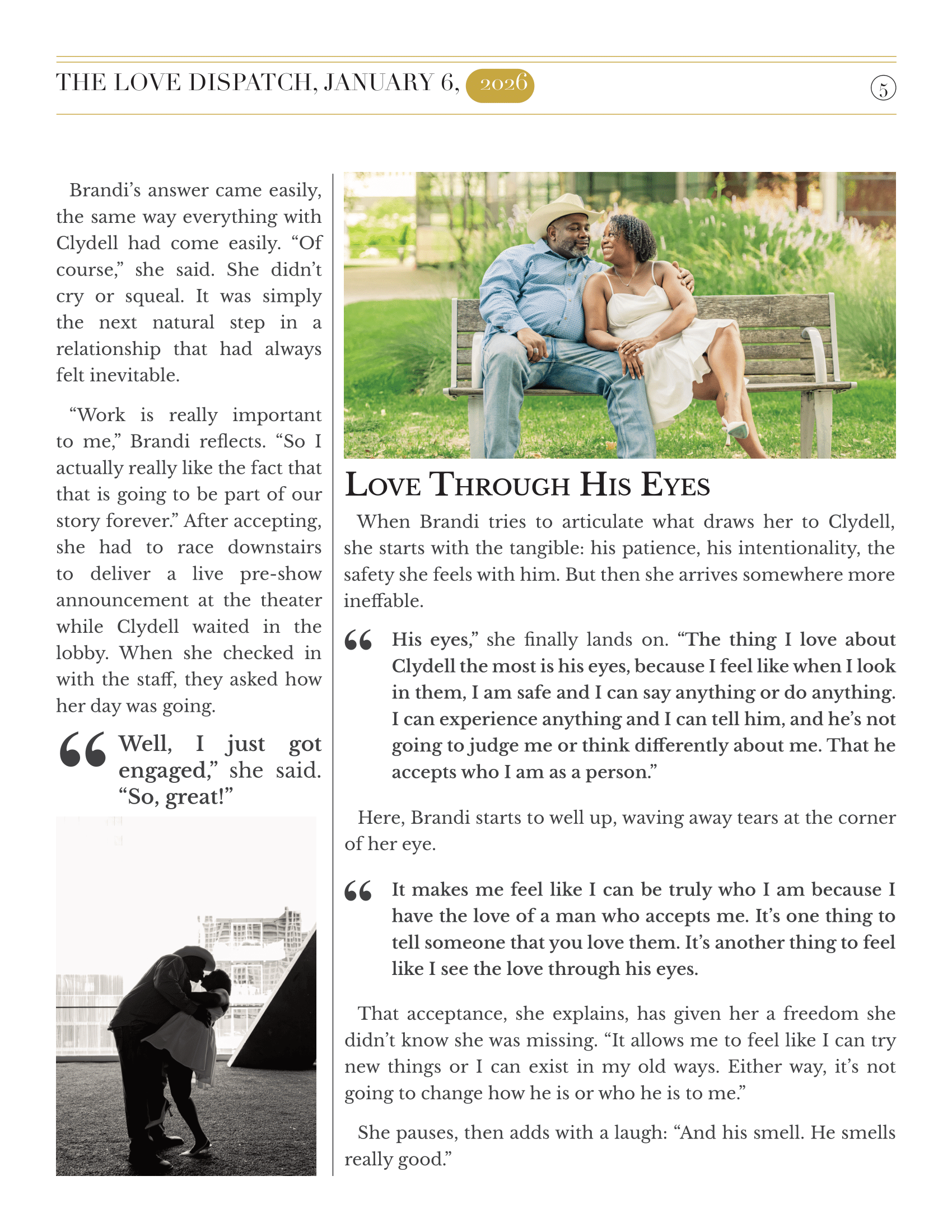
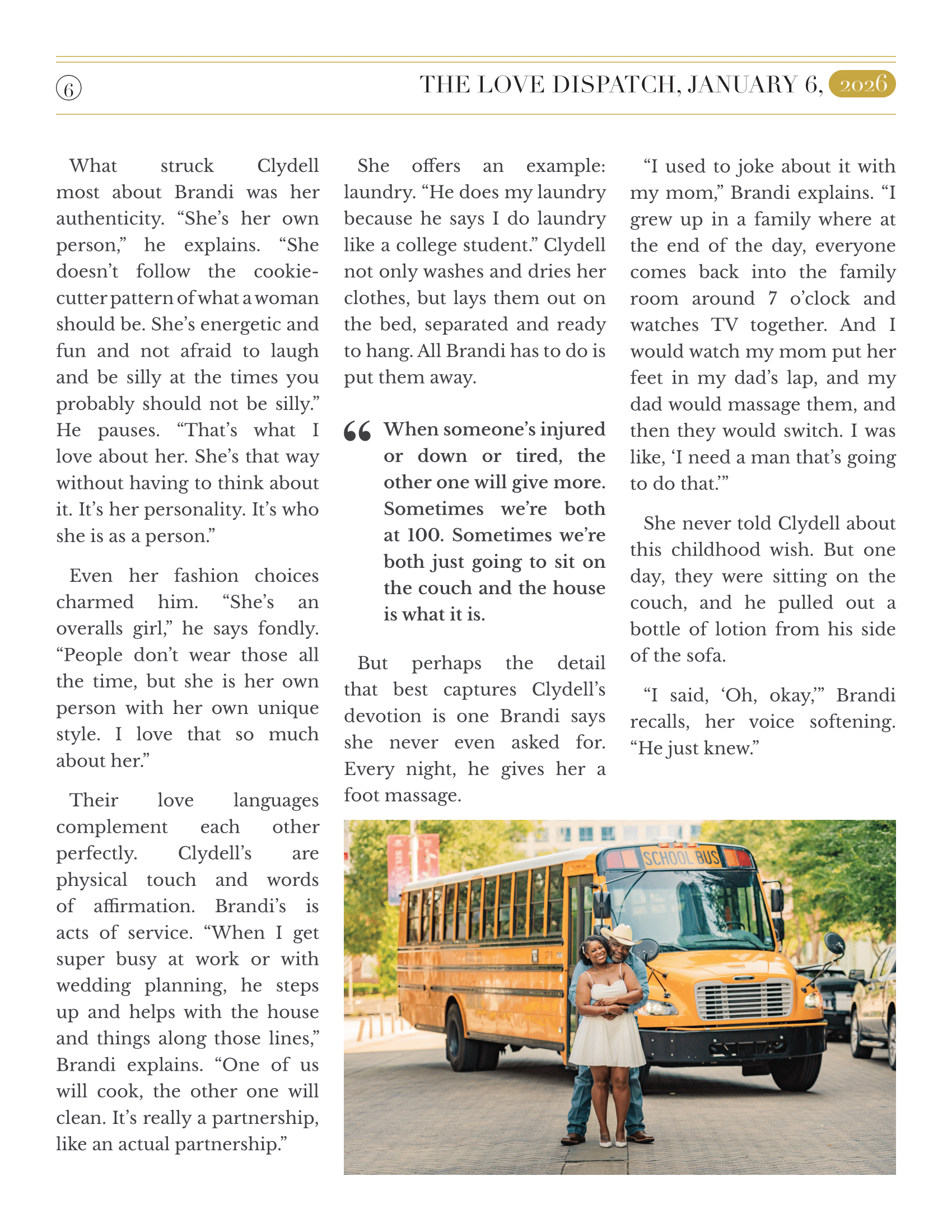
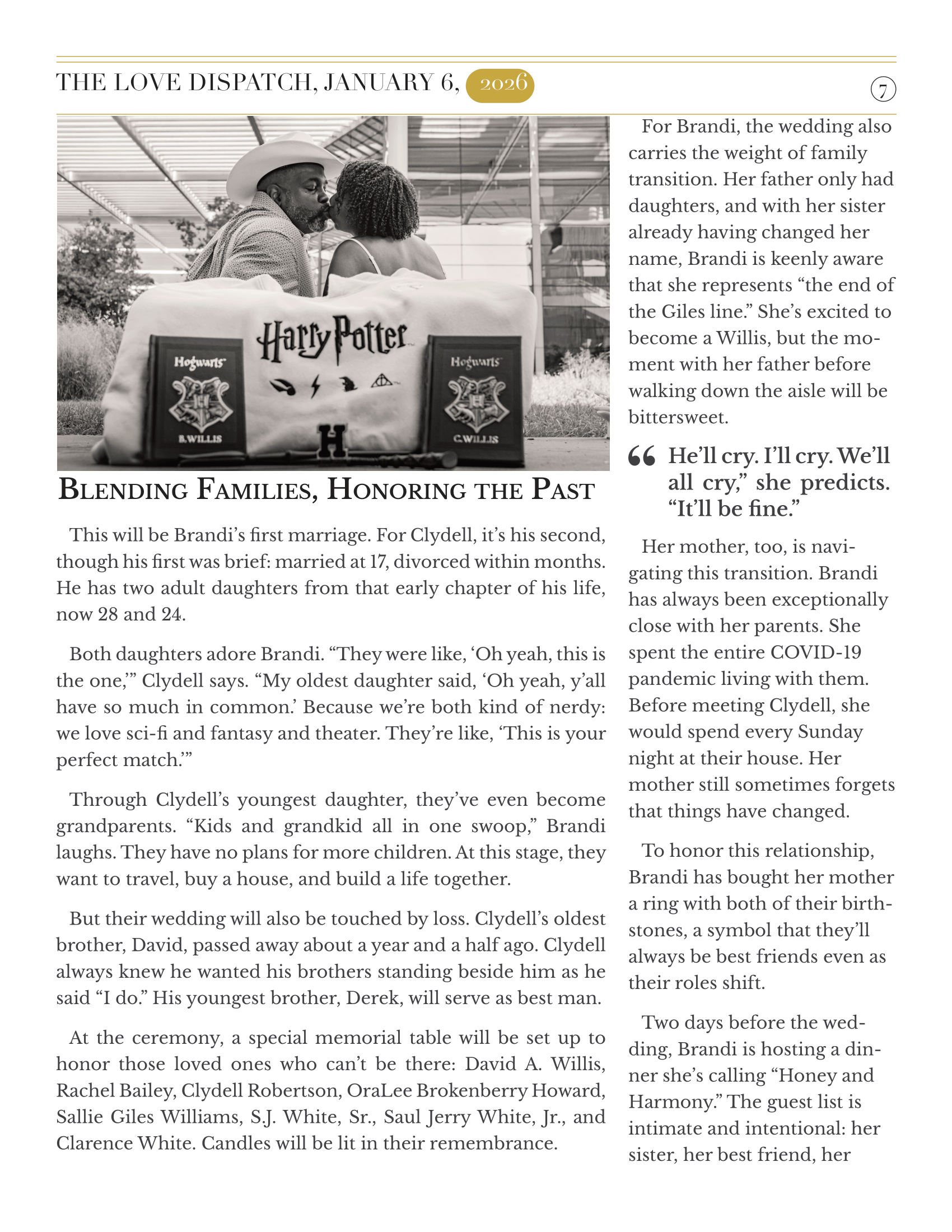
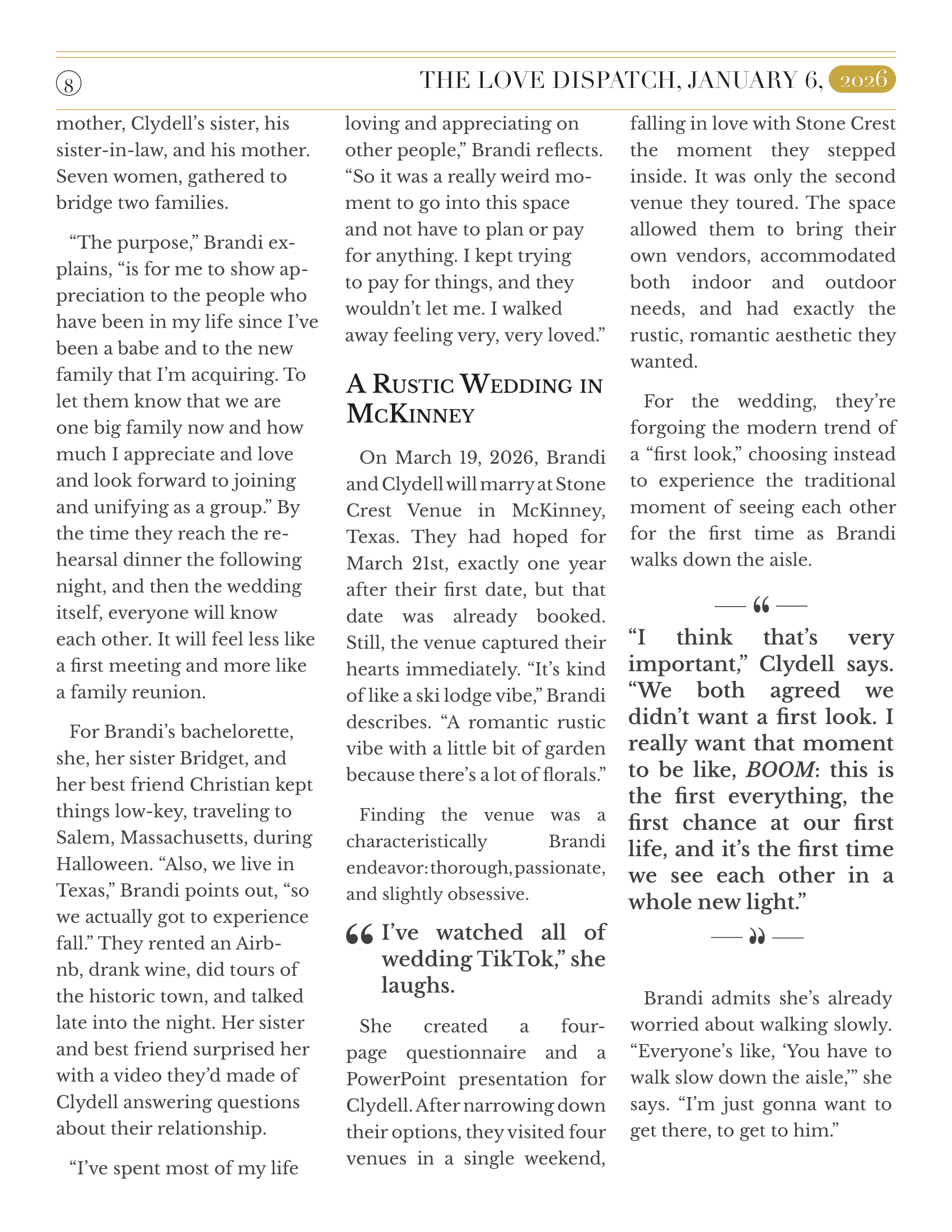
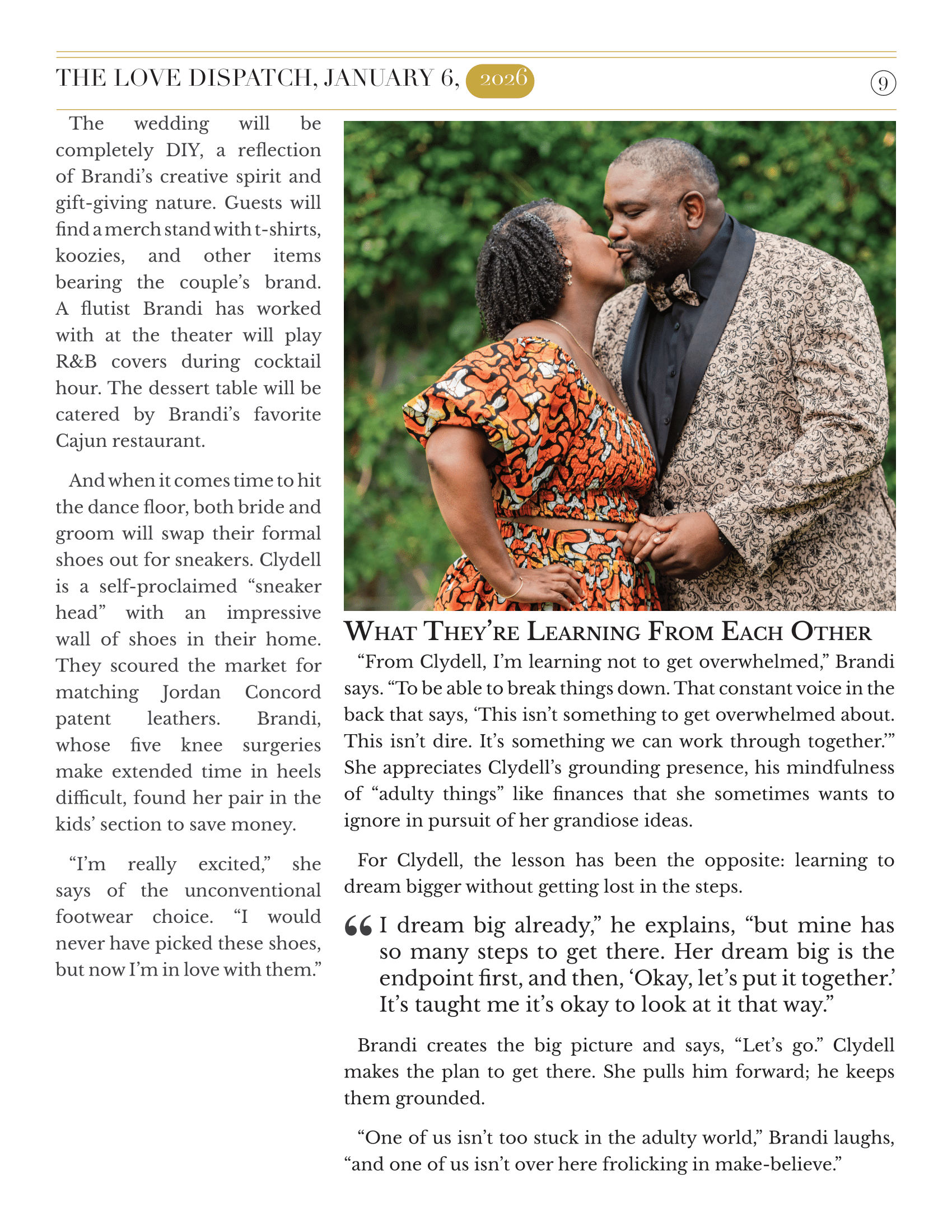
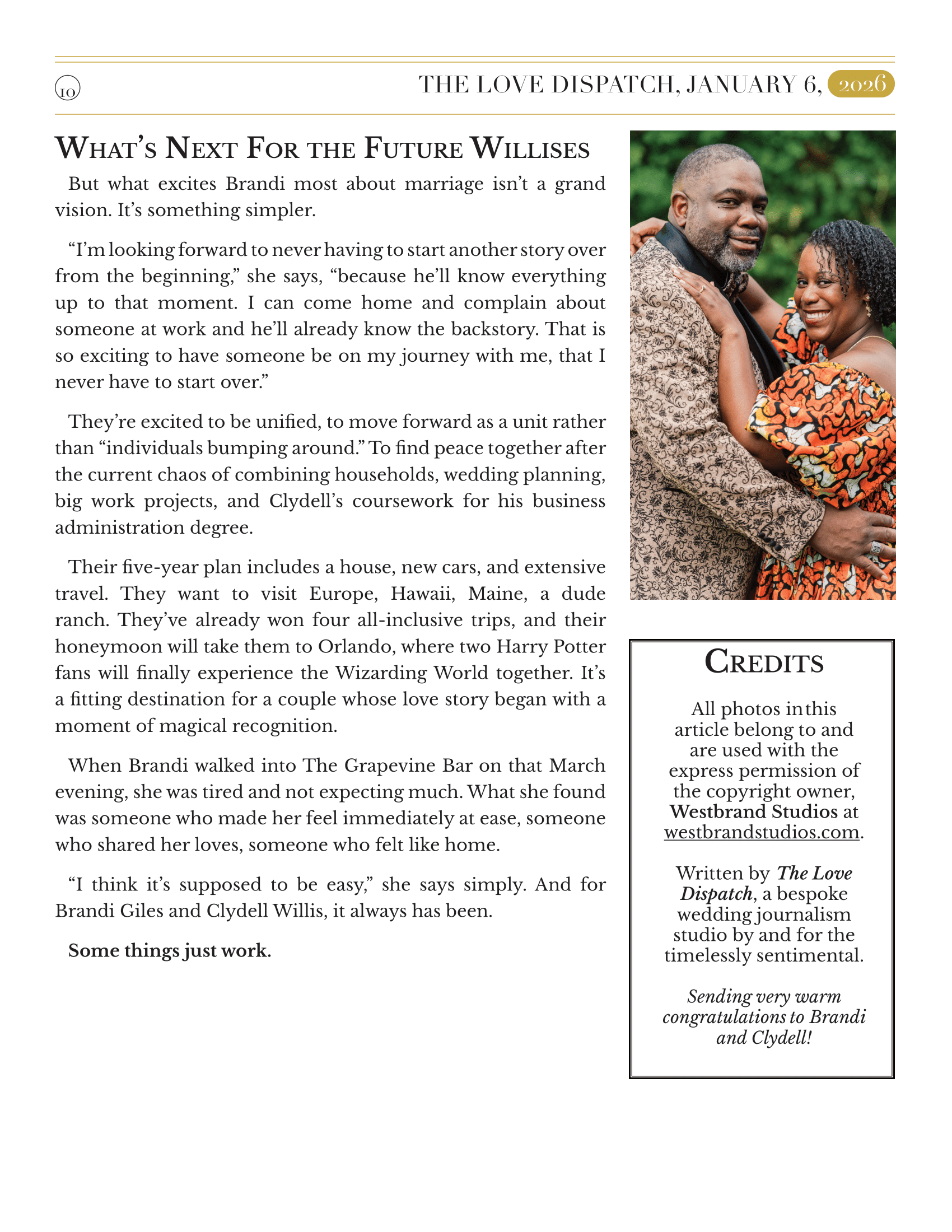
My packages work a little differently. I've structured them around what couples actually need as a final deliverable:
The Love Story ($1,000) works for couples who want their relationship captured in words, but aren't looking for wedding day coverage. Eloping? Courthouse ceremony? Just want a beautifully written account of how you two got here? I'll spend 90 minutes interviewing you both and turn that into a 2,000-3,000 word narrative, delivered digitally. Post it on your wedding website “Our Story” section. Add it to your wedding program. Frame it, tuck it in a keepsake box, read it on anniversaries. It's your origin story, professionally told.
The Feature ($3,000) makes sense for intimate weddings or couples who want the magazine experience without the full production. I'm there for the most important parts of your wedding day, I interview you before and follow up after, and you get a 24-32 page printed magazine that captures the heart of your celebration.
The Full Scoop ($5,000) is the flagship “whole she-bang” package. Eight hours of coverage on your wedding day. Extensive guest interviews and a “wedding newsdesk” setup throughout the reception. Pre-wedding conversations, post-wedding reflections, and a 32-40+ page magazine. If you're having a big wedding with dozens of guests whose perspectives matter to you, this is how you capture all of it.
After I Do ($2,000) exists for couples who already got married. Maybe you just found out wedding journalism was a thing. Maybe your fifth anniversary is coming up and you're finally ready to document what that day meant. I'll interview you and your partner for 90 minutes, then talk to up to 10 family members, wedding party folks, or guests. You get a first draft to review, one round of revisions, and a 24-32 page magazine. I can usually turn this package around in under four weeks. Just because your wedding day passed doesn't mean the story has to stay untold.
Every package includes professional design, and the printed magazines come perfect-bound through Colorado print shops I trust.
Why Wedding Journalism Is Underpriced Right Now
Here's something couples rarely hear: wedding journalists are dramatically undercharging right now.
When Hannah sat down and calculated what she was actually making at her current rates, it came out to around $12 an hour. Twelve dollars. For work that requires years of journalism training, expert interviewing skills, strong writing chops, and design sensibility. That's less than minimum wage in many high-cost-of-living areas.
The problem is that wedding journalism is so new that there's no pricing precedent. No one can point to industry averages or competitor rates because the industry barely exists. So those of us building it have priced conservatively while we get our portfolios together and prove the concept works.
That era is ending. Hannah's raising her rates this month. Others will follow. If you're thinking about booking a wedding journalist, you're looking at early-adopter pricing that won't stick around.
Wedding Journalism Pricing Vs. Wedding Photography and Videography Pricing
For perspective, here's how wedding journalism stacks up against other similar documentarian wedding vendors:
Wedding photography typically ranges from $2,500 to $8,000+, with luxury photographers easily commanding $10,000 or more. According to The Knot’s research, the average wedding photographer charged $2,900 in 2025, with hourly rates ranging from $150 to nearly $400 per hour. Wedding photographers deliver galleries of fully edited images, usually within a few weeks to a few months.
Wedding videography typically ranges from $2,000 to $8,000+, with cinematic or documentary-style videographers charging on the higher end of the spectrum. According to The Knot, once again, the average wedding videographer charged $2,300 in 2025.
Wedding albums (often purchased separately from photography) typically range from $150 to $2,000+, depending on size, materials, and design complexity.
Wedding journalism pricing lands in similar territory. But we're offering something photographers and videographers can't: the actual words people spoke, the stories they told, the emotions they articulated about you and your partner, and what this day meant.
When you think about it, wedding journalism combines the time commitment of photography (being present for hours on your wedding day) with the post-production intensity of videography (all those hours of editing and production) and then adds a whole layer of skilled writing on top. The pricing makes sense once you see the full picture.
What Affects Wedding Journalism Pricing
Several factors influence where a particular package falls on the pricing spectrum:
How many people I talk to. Interviewing just the couple takes less time than interviewing parents, grandparents, the whole wedding party, and a handful of guests. More sources means more transcription, more writing, more pages.
How long I'm at your wedding. Four hours costs less than eight. Eight costs less than a full weekend.
How long the final magazine is. A 20-page publication requires less writing and design than a 40-page one. Some journalists guarantee a minimum page count; others let the story determine the length.
How many copies you need. Most packages include one print copy. If you want extras for parents or grandparents or your bridesmaids, that adds cost.
How fast you need it. Rush timelines, when available, usually cost extra. Standard delivery runs 6 to 12 weeks after I get your photos from the photographer.
Where your wedding is. If you're outside my usual service area, travel fees might apply.
Questions to Ask About Pricing
If you're comparing wedding journalism packages, get clear answers on these:
Who gets interviewed, and how many conversations are included?
How many hours of wedding day coverage am I getting?
What's the expected page count or word count?
How many printed copies come with the package?
What do additional copies cost?
When should I expect the finished magazine?
Are there travel fees for my venue?
What's the cancellation policy?
How does the payment schedule work?
Is Wedding Journalism Worth the Investment?
I can't answer that for you. Only you know what matters enough to spend your wedding budget on.
But consider this: A wedding magazine sits on your coffee table. You pick it up on anniversaries. You read passages aloud to your kids someday. It's not a digital file that disappears into a folder somewhere to gather binary dust; it's a physical object that tells the whole story of one of the most important days of your life.
The people who book wedding journalists tend to be the ones who care about legacy. Who value the written word. Who understand that some things are worth preserving in a way that lasts. Who recognize that some investments pay dividends for generations.
Ready to Get Started?
If you're getting married in Colorado, I'd love to discuss how The Love Dispatch can document your celebration. For couples in Kansas City, Missouri and surrounding areas, Hannah Strader at Preserved in Print creates beautiful work rooted in the same journalistic values. We’re both willing and able to travel, as well!
Wherever you're located, this is a good time to explore wedding journalism. The field is young, the pricing is still accessible, and the people getting in now are the ones who'll look back glad they did.
